Psycholopedia blog
Three new articles every three days: stories, experiments, everyday questions and reflections from the surgery.
How the first intelligence test was born
Alfred Binet created it to help children who were falling behind at school. It was soon used for purposes he would not have approved of.
Read → People ·
Mary Ainsworth and the 'Strange Situation'
Twenty minutes of observation in a playroom changed how we understand the bond between babies and those who care for them.
Read → Everyday life ·
Teenage sleep is not laziness
Why teenagers find it hard to fall asleep early and get up early, and what can help at home.
Read → Science ·
When psychology put itself to the test
In 2015, hundreds of researchers repeated a hundred published studies. The result shook the discipline and has made it more rigorous.
Read → Myths ·
Neuromyths in the classroom
Learning styles, left and right brain, the 10% of the brain… Many teachers believe ideas that research does not support.
Read → Everyday life ·
What we know (and don't) about gratitude
Writing down what we are grateful for has become fashionable. Studies show real effects, but more modest than some books promise.
Read → From the surgery ·
Unwanted loneliness is a health matter too
Being alone and feeling lonely are not the same. What research says and what each of us can do.
Read →History ·Cajal and the 'butterflies of the soul'
How a doctor from Aragon, drawing at the microscope, showed that the brain is made of separate cells.
Read → Everyday life ·
The holidays are not always happy
The holidays bring joy to many, and nostalgia, stress or loneliness to others. What is true in the clichés and what can help.
Read → Psycholopedia ·
Understand the mind, understand life: introducing Psycholopedia
Why an encyclopedia of psychology that links the discipline's history with everyday questions.
Read → Everyday life ·
Shorter days: light, sleep and mood in autumn
With fewer hours of daylight, many people feel sleepier and less energetic. What is normal and when to seek advice.
Read →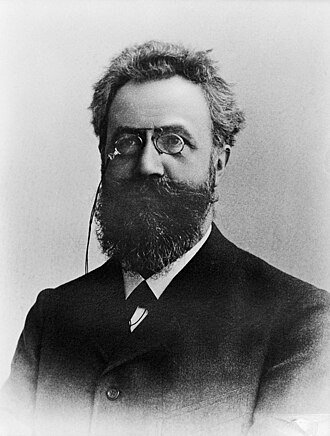 History ·
Ebbinghaus, the man who tested himself
How a German researcher measured forgetting with nonsense syllables, and why his curve still holds.
Read →Subscribe with your feed reader: RSS