Understand the mind. Understand life.
History, science and everyday questions. Meet the people behind psychology, understand how memory, emotions and relationships work, and learn through play.

Discover, understand, take part
Stories and ideas
Concepts and daily life
What would you like to understand?
An organisation inspired by university subjects, explained for everyone.
 Core processes
Perception
How the senses and the brain turn stimuli into a world of objects, distances and meaning. Includes illusions, face recognition and perceptual experience.
Read → Core processes
Attention
Why we cannot process everything at once: selection, distraction, sustained concentration and what happens when we do two things at once.
Read → Core processes
Learning
How behaviour changes with experience: conditioning, observational learning, deliberate practice and skill acquisition.
Read → Core processes
Memory
How we store, keep and retrieve information, why we forget and why we sometimes remember things that did not happen that way.
Read → Core processes
Thinking
Reasoning, problem solving, decision-making, beliefs and the mental shortcuts that sometimes lead us astray.
Read → Core processes
Language
How we learn to speak, how we understand and produce sentences, non-verbal communication and bilingualism.
Read → Core processes
Motivation
What moves us to act: goals, incentives, persistence, habits and self-regulation.
Read → Core processes
Emotion
What emotions are, how they are expressed, what role context plays and how we regulate them.
Read → Person and development
Personality
Traits, temperament, identity and self-concept: what is relatively stable in each person and what changes.
Read → Person and development
Intelligence and creativity
Models of intelligence, how it is assessed, what creativity is and why these topics still spark debate.
Read → Core processes
Biological psychology
Biological bases of behaviour: nervous system, hormones, genes and environment, evolution.
Read → Core processes
Neuropsychology
What brain injury and brain function teach us about memory, language, attention and behaviour.
Read → Person and development
Development
Changes and continuities across the whole lifespan, from birth to old age.
Read → Relationships
Social psychology
How others influence us: identity, attitudes, prejudice, cooperation, conformity and groups.
Read → Methods
 and statistics
How psychology is researched: designs, samples, uncertainty, correlation and causation, replication.
Read → Methods
Psychometrics and assessment
How psychology measures: reliability, validity, norms, interviews and responsible interpretation of results.
Read → Core processes
Consciousness and sleep
What it means to be conscious, why we sleep and dream, and what happens under anaesthesia, hypnosis or meditation.
Read → Core processes
Comparative psychology
What other animals think and feel, and what comparing them with us teaches us.
Read → Person and development
Psychopathology
How psychological suffering is defined, classified and explained, and where the boundaries with normality lie.
Read → Person and development
Ageing
What changes and what stays the same in the mind over the years, and what helps us age well.
Read →Person and developmentWellbeing and happiness
What we know about happiness, how it is measured and what factors support it.
Read → Relationships
 and attachment
Why we need others, how we choose partners and what makes a relationship work.
Read → Relationships
Culture and mind
How culture shapes the way we perceive, feel, think and understand ourselves.
Read → Relationships
Health and behaviour
How stress, habits and beliefs influence physical health, and how behaviours are changed.
Read →Where our ideas come from
A journey through changes, schools, discoveries and debates, without presenting the discipline as a string of isolated geniuses.

The first questions
Philosophy, medicine and cultural traditions on mind and behaviour.
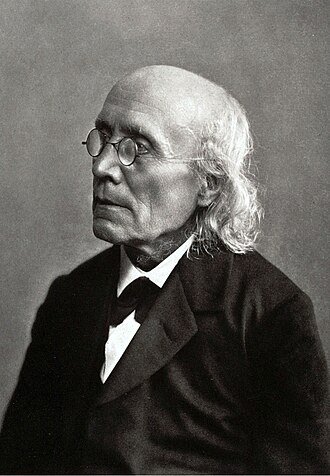
Measuring experience
Psychophysics, physiology and the birth of experimental psychology.

The Leipzig laboratory
An institutional milestone linked to Wilhelm Wundt, within a broader history.

Schools in dialogue
Psychoanalysis, behaviourism, Gestalt and the first assessment instruments.
The mind returns to the centre
Cognitive psychology, humanism, systemic approaches and professional growth.

A connected science
Neuroscience, cultural diversity, open science and digital psychology.
People who opened the way
Everyday questions, new perspectives
Each article links an everyday situation to its academic foundations.
 Habits
Why do I put things off until tomorrow?
Procrastination is not simply laziness: it has a lot to do with how we manage the feelings a task stirs up.
Read → Emotions
Why do we keep going over a worry?
Worrying can help us anticipate problems, but it can also become a loop that solves nothing.
Read →CouplesArguing without losing the conversation
Couples argue. What research looks at is not whether they argue but how they do it and how they repair afterwards.
Read → Study
Study more or study better?
Rereading and highlighting feel effective but are not very. Two strategies with strong support: testing yourself and spacing your study.
Read → Digital life
Our attention in a world of screens
Switching tasks has a cost. What is known about interruptions, notifications and multitasking, and what is still debated.
Read → Lifespan
Adolescence: autonomy and bonds
More than a rebellious phase, adolescence is a period of intense social learning, with a changing brain and changing sleep.
Read →EmotionsWhy do I get angry over little things?
Sometimes the spark is small, but the fuel had been building up for hours: hunger, sleep loss, hurry or worries.
Read →EmotionsWhat is sadness for?
Nobody wants to feel sad, but sadness serves useful purposes. Telling it apart from depression matters.
Read →EmotionsWhy do I feel anxious for no obvious reason?
Sometimes anxiety comes out of nowhere. Understanding how it feeds itself helps it lose its grip.
Read →EmotionsIs it bad to be bored?
Boredom is uncomfortable, but it is a useful signal: it tells us what we are doing is not fulfilling.
Read →Self-esteem and identityWhy do I compare myself with others so much?
Comparing ourselves is almost unavoidable: it is one of the ways we gauge how we are doing. The problem is with whom and with what.
Read →Self-esteem and identitySelf-compassion: treating yourself like a good friend
Being hard on yourself does not usually motivate you more. Being kind to yourself after mistakes helps you improve.
Read →Self-esteem and identityWhy is it so hard to say no?
For fear of disappointing others, we agree to things we do not want. Saying no respectfully is a skill that can be learned.
Read →Self-esteem and identityPerfectionism: when nothing is ever enough
Wanting to do things well is good. Demanding perfection and punishing yourself for every slip has costs.
Read →CouplesCan passion last in a long relationship?
Intense infatuation tends to calm down, but some couples keep romantic love alive for decades.
Read →CouplesJealousy: when does it stop being normal?
Feeling jealous now and then is human. Controlling, monitoring or isolating a partner is not.
Read →CouplesGetting over a breakup
A breakup really hurts, but most people recover, and some come out with a clearer sense of who they are.
Read →FamilyWhy do siblings fight so much?
Sibling fights are normal and can teach negotiation. What worsens them most is the sense of unequal treatment.
Read →FamilyTantrums: what to do when a child explodes
Tantrums are normal between one and four years old. Staying calm and not giving in to screaming helps most.
Read →FamilyCaring for an older relative without losing yourself
Caring for a dependent parent is an act of love and also a burden. Looking after the carer is not selfish.
Read →FamilyDoes birth order shape personality?
The responsible eldest, the overlooked middle child, the rebellious youngest… Large studies find barely any differences.
Read →Friendship and social lifeWhy is it so hard to make friends as an adult?
At school, friendship arose almost by itself. As adults we lack what feeds it most: shared time and repeated encounters.
Read →Friendship and social lifeShyness and social anxiety: when other people are frightening
Being shy is a trait; social anxiety limits your life. We believe others watch us far more than they do.
Read →Friendship and social lifeHow to support someone going through a hard time
You often do not need the perfect words. Listening, validating and offering concrete help is usually worth more than advice.
Read →Friendship and social lifeIs it worth talking to strangers?
We think it will be awkward and the other person will not want to. Experiments show both sides come out ahead.
Read →HabitsWhy do New Year's resolutions fail?
It is not a lack of willpower. The way a goal is framed has a big influence on whether it is met.
Read →HabitsDoes exercise really improve your mood?
Yes, and you do not need to run marathons. Brisk walking or yoga already has measurable effects.
Read →HabitsNail-biting and other hard-to-break habits
Nail-biting, hair-pulling or skin-picking are usually automatic. A simple technique helps break them.
Read →HabitsWhy do we eat when we are not hungry?
Eating out of boredom, stress or sadness is very common. Very strict diets sometimes make it worse.
Read →StudyExam nerves
Some nerves help you perform. When they block you, two simple techniques have shown an effect: reframing them and writing about them.
Read →StudyDoes studying with music help?
It depends on the task and the music. Songs with lyrics tend to hurt reading; soft music sometimes does no harm.
Read →StudyIs it too late to learn a language as an adult?
Children have the edge in sounding native, but adults learn fast at first and can reach a very high level.
Read →WorkPublic speaking without dying of fright
It is one of the most common fears. Knowing that nerves show less than we think already helps.
Read →WorkRemote work: benefits and pitfalls
It saves commuting and gives flexibility, but can isolate you and blur work-life boundaries. Hybrid models fare well.
Read →WorkWhy is it hard to switch off from work?
Thinking about work after you get home prevents recovery. Switching off is not laziness: it is part of performance.
Read →WorkSigns that work is burning you out
Exhaustion, cynicism and a sense of being useless. Spotting it early lets you act before you crash.
Read →SleepHow many hours of sleep do you need?
Adults need between seven and nine hours, but regularity matters as much as quantity.
Read →SleepI wake up in the night and can't get back to sleep
Waking at night is normal. What prolongs wakefulness is worrying about not sleeping.
Read →SleepAre naps good for you?
A short nap improves alertness and mood. Long ones can leave you groggy and steal sleep at night.
Read →SleepWhy do I have nightmares so often?
Stress and trauma make them more frequent. A simple technique, rewriting the dream while awake, reduces them.
Read →SexualityI don't feel like having sex: is something wrong with me?
Desire does not always strike out of the blue. In many people it appears after things begin, in response to intimacy.
Read →SexualityHow to talk to your children about sex
Early, little by little and naturally is best. Talking about it does not bring sex forward; it makes it safer.
Read →Loss and transitionsDoes grief have stages?
The five stages are a popular but inaccurate idea. Most people cope with loss better than they expect.
Read →Loss and transitionsRetirement: rest or emptiness?
Most people adapt well, but not everyone equally. Those who retire with plans and relationships fare better.
Read →Loss and transitionsEmigrating: the grief of leaving your country
Moving country means many losses at once. Keeping your own culture while opening up to the new one usually works best.
Read →Loss and transitionsThe empty nest: when children leave home
Sadness at first is normal, but many parents find their wellbeing and relationship improve after children leave.
Read →Digital lifeDo social media make us unhappy?
The average effect is small, but it is not the same for everyone. How you use them matters more than how long.
Read →Digital lifeI can't stop reading bad news
Endlessly scrolling through distressing news feels like control, but it increases stress. Limiting it helps.
Read →Digital lifeVideo games: when should you worry?
Playing a lot is not an addiction. The worry is losing control and the game crowding out everything else.
Read →DecisionsI find it really hard to make decisions
Having many options can paralyse you. Settling for "good enough" usually brings more satisfaction.
Read →DecisionsShould you trust your gut?
Intuition works well where you have lots of practice and quick feedback. Outside those areas, it misleads.
Read →DecisionsWhy do I buy things I don't need?
Impulse purchases respond to emotions and to an environment designed to tempt us. Small pauses help a lot.
Read →DecisionsWhat do we regret most?
In the short term, what we did. In the long term, what we did not dare to do.
Read →Culture and societyWhy do we believe fake news?
More through inattention than gullibility. Stopping to consider whether something is true before sharing greatly reduces its spread.
Read →Culture and societyEco-anxiety: worrying about the climate
Worrying about climate change is a reasonable reaction, not a disorder. Acting with others helps you cope.
Read →LifespanDoes the midlife crisis exist?
Wellbeing seems to dip somewhat in midlife, but the dramatic crisis of the cliché is uncommon.
Read →The latest, every three days
How the first intelligence test was born
Alfred Binet created it to help children who were falling behind at school. It was soon used for purposes he would not have approved of.
Read → People ·
Mary Ainsworth and the 'Strange Situation'
Twenty minutes of observation in a playroom changed how we understand the bond between babies and those who care for them.
Read →Everyday life · Teenage sleep is not laziness
Why teenagers find it hard to fall asleep early and get up early, and what can help at home.
Read →Knowing yourself starts with asking questions
Reflection activities and challenges: they are not clinical tests and do not measure IQ.
ReflectionYour personality
Ten statements to think about five broad dimensions of personality.
ReasoningTest your reasoning
Eight original challenges in logic, patterns and problems, with explanations.
CouplesCouple conversations
Questions to talk about listening, agreements and plans. No compatibility scores.
The science of testsWhat can a score tell you?
Validity, reliability and norms, and why a short questionnaire defines no one.
Curiosity teaches too
Stories, illusions and experiments told in context: what happened, what we know and what has been debated since.
Your perception surprises youThe Stroop effect: when reading gets in the way
Say the colour of the ink aloud, not the word. It sounds easy until you try.
 Myths that sound scientific
Does listening to Mozart make you smarter?
How a small study became a commercial phenomenon, and what later research found.
Experiments that changed questionsAsch and group pressure: what is usually forgotten
The line experiment is famous for conformity. But most answers were independent.
A way in, no previous knowledge needed
Short lesson, example, activity and check.
Created by a family doctor
Alejandro Rosàs, a family doctor with more than 38 years of experience in primary care and a specialist in Preventive Medicine and Public Health. Barcelona Medical Association, no. 28574.
Learning without easy labels
Knowing the evidence, recognising the limits and respecting human diversity.